
Health experts in Ntungamo District have cautioned families against relying on traditional remedies for illnesses that are often misinterpreted as cultural or spiritual conditions, saying the practice delays proper medical care and leads to avoidable child deaths.
Medics say many childhood illnesses are still wrongly attributed to cultural causes, prompting caregivers to resort to harmful traditional interventions instead of seeking timely diagnosis and treatment at health facilities.
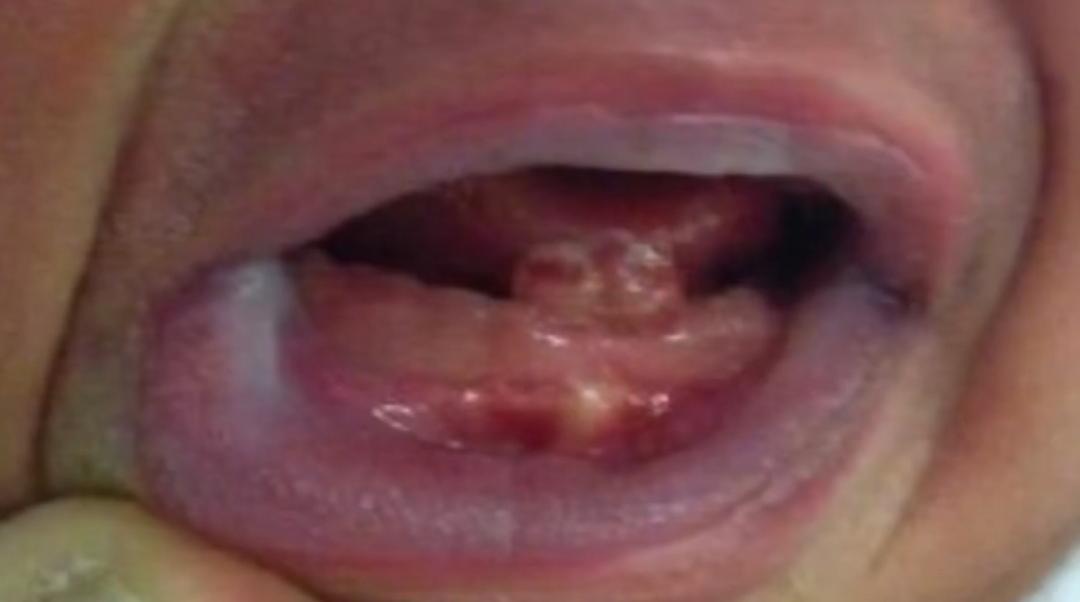
One of the most controversial practices highlighted is 'ebiino', commonly referred to as false tooth extraction. In such cases, symptoms such as swollen gums, diarrhoea, and dehydration are misread as signs of “false teeth,” leading to the removal or cutting of developing tooth buds in infants.
Health workers say this practice exposes children to delayed treatment of the actual underlying illnesses. At Kitwe Health Centre IV, medical staff report that many children only arrive when their conditions have already worsened.
“In most cases you will find someone they are suspecting to have false tooth, are severely dehydrated or have another medical condition. Those who come early, we treat them,” said Dr Sebastian Mulumba.
He added that misinterpretation of symptoms in communities continues to place infants at significant risk.
Another practice of concern is oburo, a condition locally believed to be millet stuck in a child’s chest and often treated through chest incisions.
Health workers say the condition is actually severe pneumonia requiring urgent medical attention rather than invasive traditional procedures.
“For millet extraction, they usually have severe pneumonia, but for them it is interpreted as oburo. That is wrong medically. They end up getting severe complications and some of them lose their lives. They are exposed to tetanus or sepsis. When a child gets a problem, let them be diagnosed at health centres,” Dr Mulumba said.
Medical experts also expressed concern over the treatment of tonsillitis, locally referred to as ekinyangondo, which in some communities is increasingly managed using herbal remedies instead of clinical care.
Dr Kenneth Ayebazibwe, a medical officer at Itojo General Hospital, strongly condemned the practices, warning that they place children at extreme risk.
“We strongly condemn this extraction. False teeth, ebinyangondo and ‘millet’ do not exist medically,” he said.
He further explained that respiratory distress is often misinterpreted at community level, leading to dangerous interventions.
“The child has pneumonia, with increased respiratory rate, breathing is difficult, and the community says it is millet, then they cut the chest, sometimes with unsafe tools,” he said.
Health workers are now urging parents and caregivers to abandon cultural interpretations of illness and instead seek immediate diagnosis at government health facilities, which they say provide free and effective treatment for most childhood conditions.
